
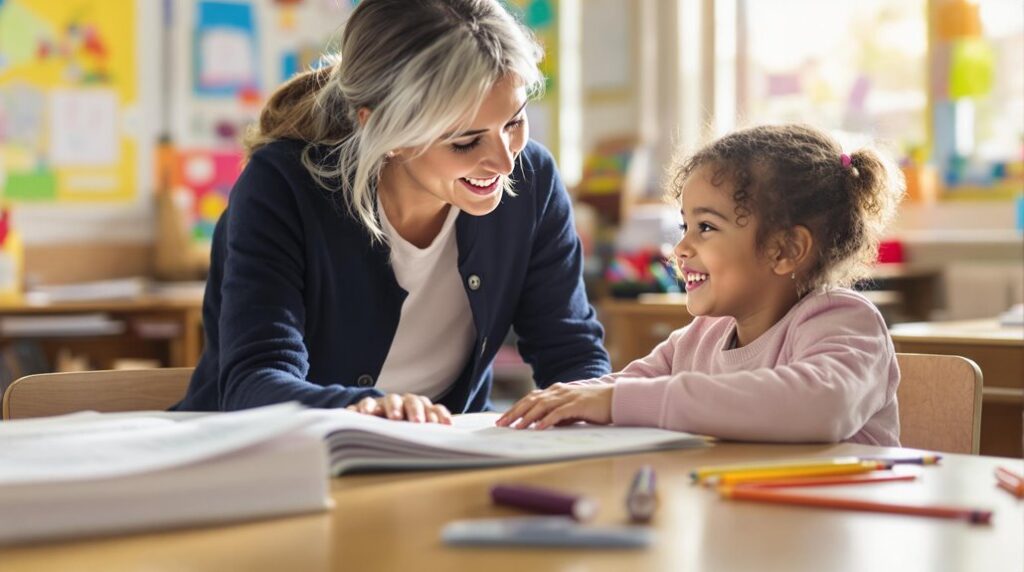
Strong teacher-student bonds form the cornerstone of effective education through trust, open communication, and consistent support. Research shows that these relationships create secure learning environments where students demonstrate increased academic achievement and emotional growth. Successful connections require deliberate cultivation of authentic interactions, strategic motivation, and cultural understanding. Teachers who master relationship-building techniques unveil transformative educational experiences that extend far beyond traditional academic metrics, opening doors to deeper learning possibilities.
The Essential Building Blocks of Strong Teacher-Student Connections
While the success of educational outcomes largely depends on various factors, the foundation of effective teaching lies in the fundamental building blocks of strong teacher-student connections.
These essential components include trust, open communication, consistent support, and strategic motivation. Educators who prioritize these elements create an environment where students feel secure, valued, and empowered to engage in meaningful learning experiences.
Through deliberate cultivation of these building blocks, teachers establish a framework that promotes academic achievement, emotional growth, and long-term student success, while fostering an atmosphere of mutual respect and collaborative learning.
Creating Trust Through Authentic Relationships
Trust serves as the cornerstone of authentic teacher-student relationships, fundamentally shaping the educational experience and creating pathways for meaningful learning interactions.
When educators establish genuine connections through consistent, reliable behavior and transparent communication, students develop the confidence to take academic risks and engage more deeply in their learning journey.
Building authentic connections empowers students to venture beyond their comfort zones and embrace deeper learning experiences with confidence.
This foundation of trust enables teachers to effectively differentiate instruction, provide constructive feedback, and support students through challenges.
Research indicates that students in high-trust classroom environments demonstrate increased participation, higher academic achievement, and enhanced social-emotional development compared to their peers in low-trust settings.
Effective Communication Strategies in the Classroom
Effective communication in the classroom forms the bedrock of successful teacher-student relationships, enabling educators to create dynamic learning environments that foster academic growth and understanding.
Teachers who implement clear communication strategies, including active listening techniques and balanced feedback mechanisms, establish stronger connections with their students.
These educators utilize both verbal and non-verbal cues, maintain consistent messaging channels, and adapt their communication styles to meet diverse student needs.
Through structured dialogue opportunities and regular check-ins, teachers create spaces where students feel heard, valued, and empowered to participate actively in their educational journey.
Supporting Student Growth Beyond Academics
Beyond traditional academic metrics, broad student development encompasses essential life skills, emotional intelligence, and personal growth that shape well-rounded individuals prepared for future success.
Teachers who actively support students' holistic development create opportunities for leadership, resilience-building, and social skill enhancement through mentorship and guided experiences.
Through structured activities and intentional guidance, educators facilitate the development of critical thinking, problem-solving abilities, and emotional regulation.
This extensive approach to student support extends beyond classroom walls, incorporating community engagement, extracurricular activities, and real-world applications that foster independence and adaptability.
Igniting Student Motivation and Passion for Learning
Building upon the foundation of holistic student development, motivation emerges as a driving force that propels academic achievement and sustained engagement in the learning process.
Teachers who effectively inspire student motivation cultivate an environment where curiosity flourishes and learning becomes intrinsically rewarding. Through targeted encouragement, recognition of individual progress, and the implementation of diverse teaching strategies, educators can ignite students' passion for knowledge acquisition.
The establishment of clear goals, coupled with consistent positive reinforcement, creates a framework where students develop confidence in their abilities and maintain enthusiasm for academic pursuits.
Overcoming Barriers to Meaningful Educational Relationships
While teacher-student relationships form the cornerstone of educational success, numerous obstacles can impede the development of these essential connections.
Educators must recognize and actively address these challenges through strategic interventions and thoughtful approaches. Cultural differences, communication barriers, trust issues, and varying expectations can create significant hurdles in fostering meaningful relationships.
- Language and cultural misunderstandings that affect classroom dynamics
- Generational gaps impacting communication styles and preferences
- Past negative experiences influencing student receptiveness to connection
- Time constraints limiting opportunities for relationship building
Understanding these barriers enables educators to implement targeted solutions, ultimately creating stronger bonds that enhance the learning experience.
Transforming Education Through Powerful Student-Teacher Bonds
As research consistently demonstrates, powerful bonds between teachers and students serve as catalysts for transformative educational experiences that extend far beyond academic achievement. These relationships fundamentally reshape learning environments, fostering intellectual growth and emotional development through sustained, meaningful interactions.
| Impact Area | Short-term Effects | Long-term Benefits |
|---|---|---|
| Academic | Increased engagement | Higher graduation rates |
| Social | Enhanced collaboration | Improved leadership skills |
| Personal | Greater self-confidence | Lifelong learning mindset |
The implementation of relationship-centered teaching approaches has shown measurable improvements in student outcomes, with studies indicating significant gains in critical thinking abilities, emotional intelligence, and academic performance across diverse educational settings.
Frequently Asked Questions
How Do Online Teaching Environments Affect Teacher-Student Relationship Building?
Like digital walls in a virtual garden, online environments can limit natural relationship growth, requiring teachers to cultivate connections through intentional virtual engagement, creative technology use, and personalized communication strategies.
What Role Do Parents Play in Fostering Positive Teacher-Student Relationships?
Parents serve as essential bridges between teachers and students, supporting communication, reinforcing educational goals, participating in school activities, and creating a collaborative environment that enhances student learning and relationship development.
When Should Teachers Maintain Professional Distance Versus Building Closer Connections?
Like a skilled tightrope walker, teachers must balance warmth with boundaries, maintaining professional distance during personal matters while fostering closer connections during academic and developmental support situations.
How Can New Teachers Quickly Establish Rapport With Inherited Classroom Dynamics?
New teachers can establish rapport by actively listening, showing genuine interest in existing classroom culture, setting clear expectations, and incorporating student feedback while maintaining consistent, fair treatment.
What Impact Do Teacher Transfers Have on Existing Student Relationships?
Teacher transfers can disrupt established trust and emotional bonds, potentially affecting student motivation and academic performance. Students may need time to rebuild connections with new instructors.